Vale Matcha Farm
Whidbey Island, WA
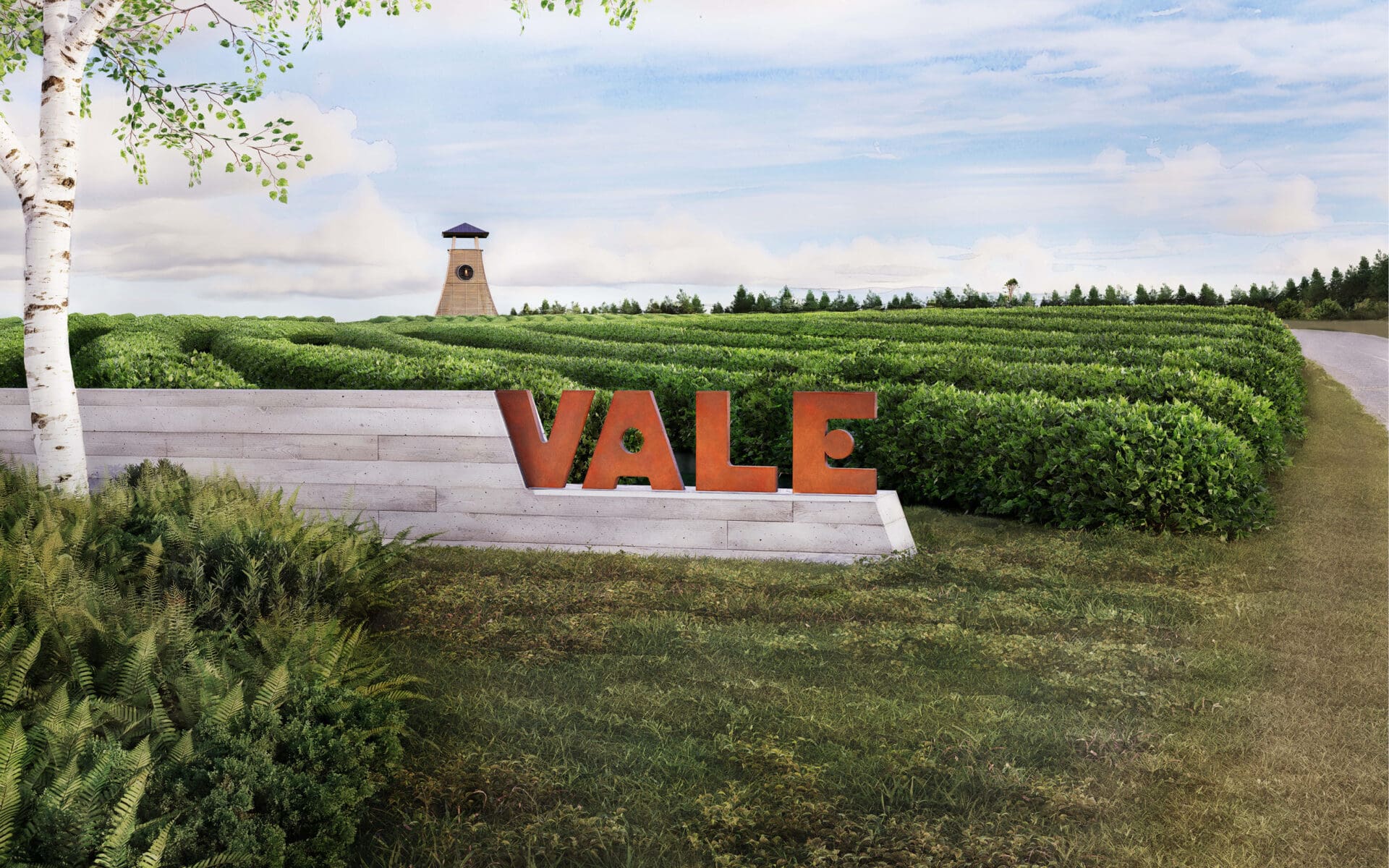
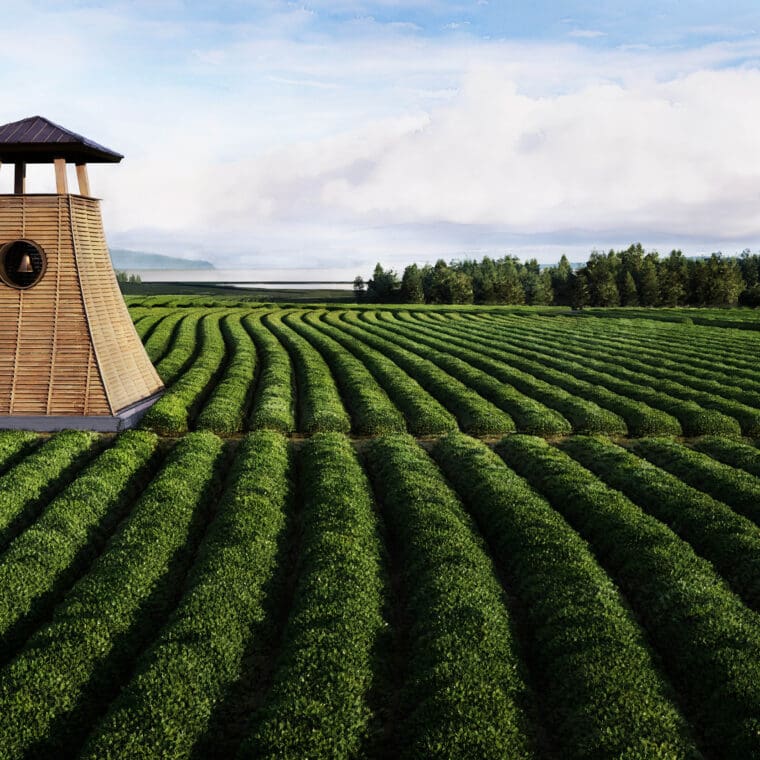
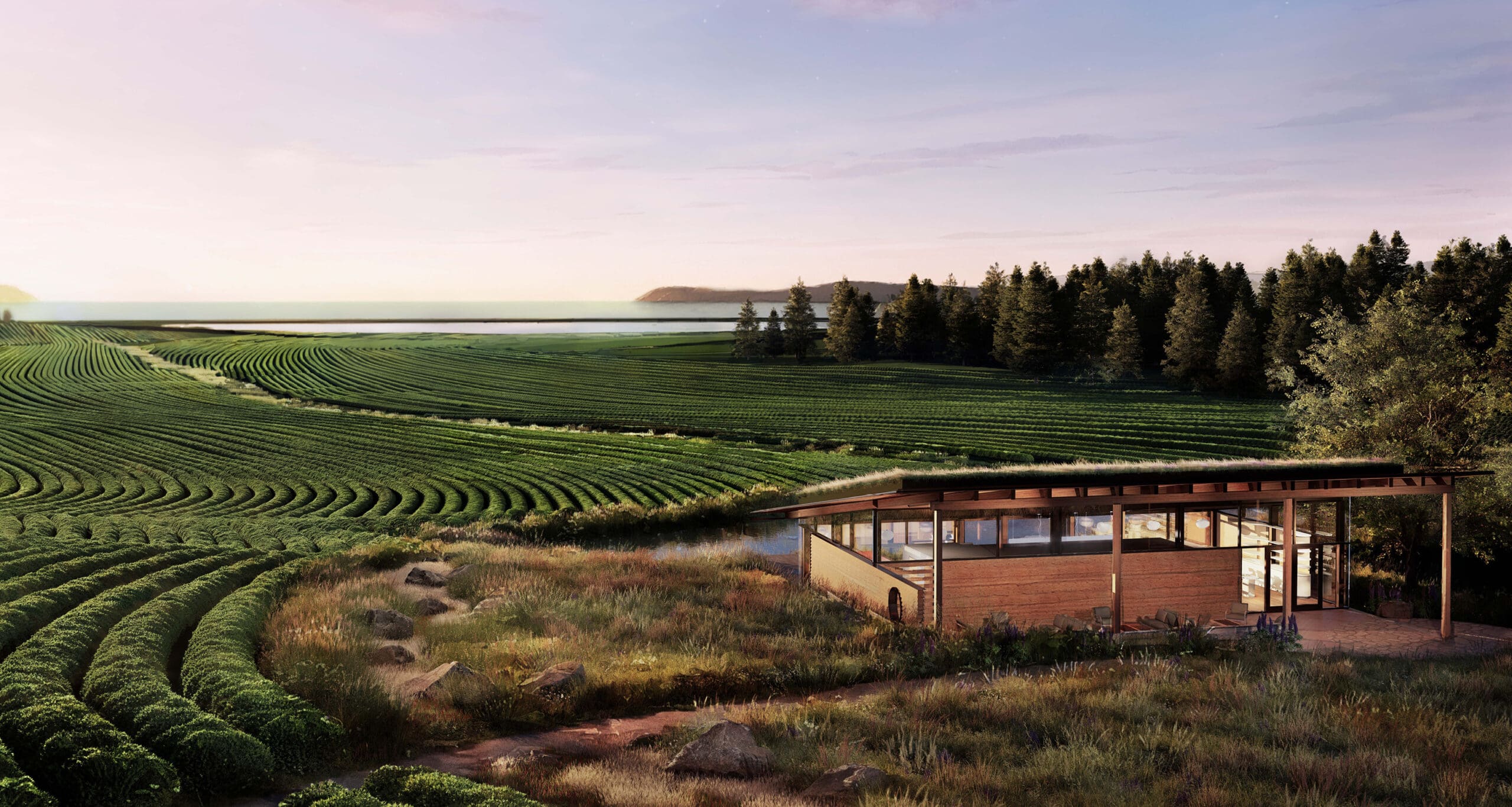
Vale Matcha is bringing a centuries-old tradition into a new landscape, pioneering one of the Pacific Northwest’s first large-scale matcha farms on Whidbey Island. Berger is partnering with the team to help shape both the agricultural landscape and the visitor experience, supporting site planning, siting of the specialized shade-cloth tower infrastructure, and the landscape design for a future tasting room that will connect visitors directly to the matcha-growing process.
This future island destination will allow matcha-enthusiasts to see firsthand how tea is cultivated, harvested, and transformed into finished matcha, in a uniquely Pacific Northwest fashion. Historically, nearly all matcha consumed in the United States has been imported. Vale Matcha sees an opportunity to cultivate tea at a commercial scale domestically, at Washington State’s first and only matcha farm. taking advantage of Whidbey Island’s remarkably well-suited climate, which is neither too wet nor too dry, too hot nor too cold.
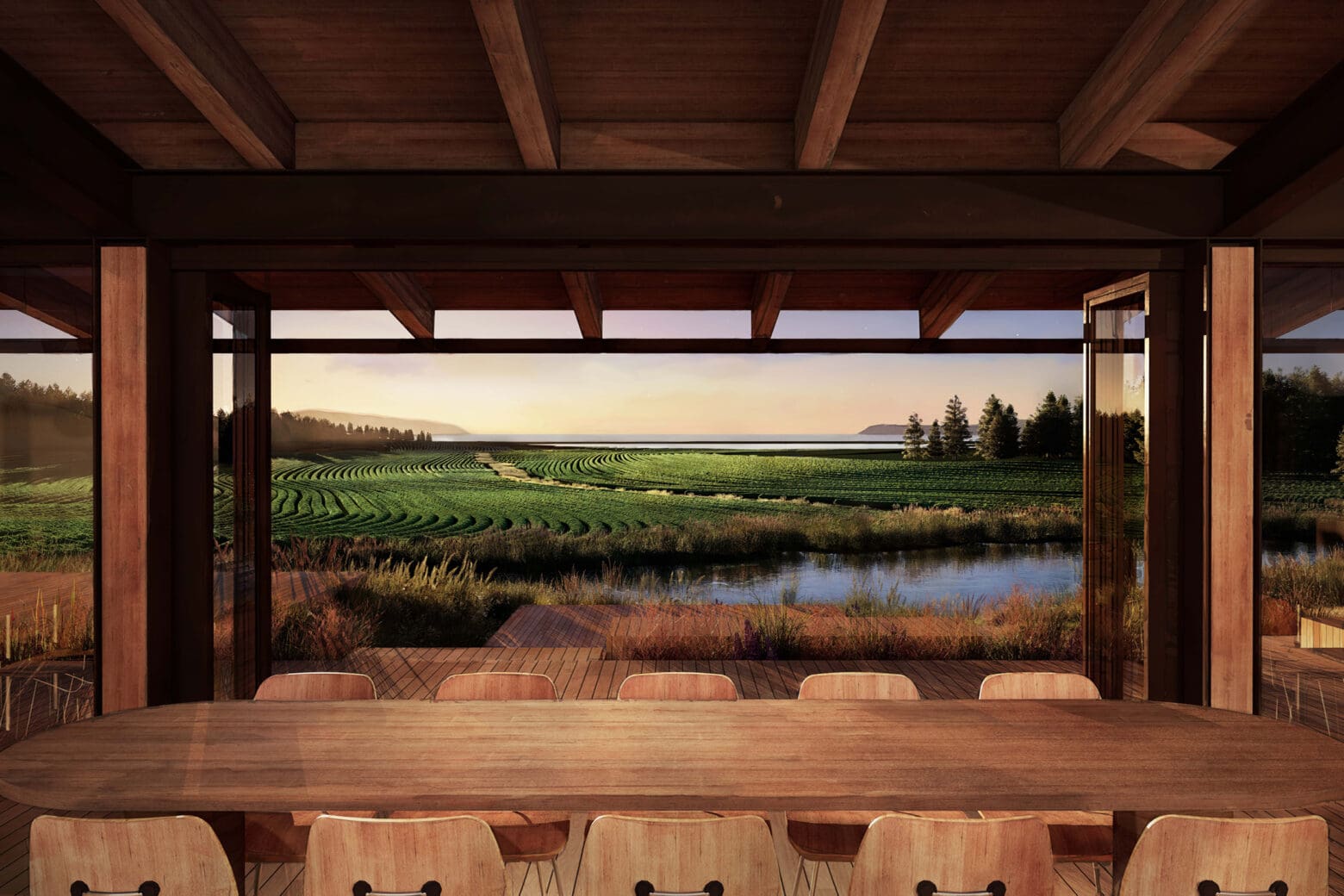
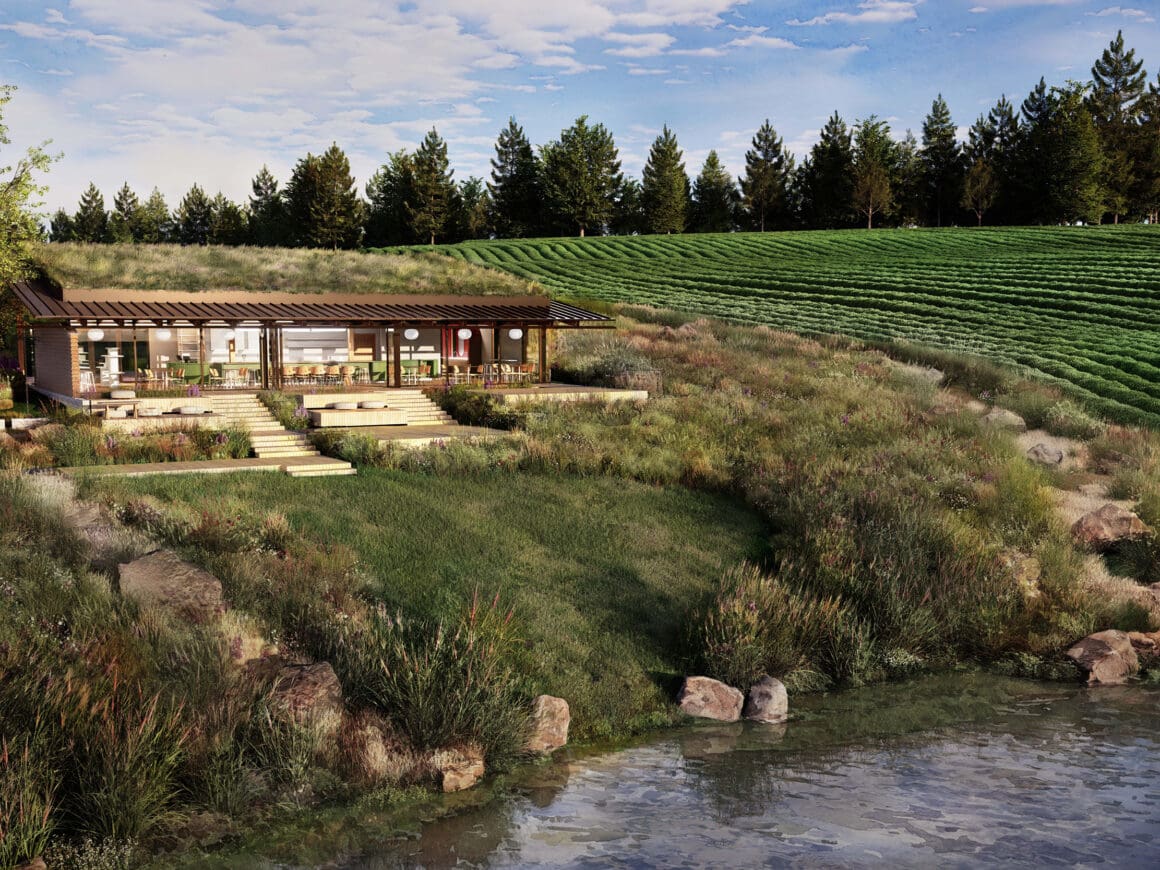
As the farm grows, Berger’s work, along with Zimmerman Architecture, will help create an immersive farm-to-table experience centered on education, hospitality, and agricultural innovation. The future tasting room will offer visitors the opportunity to learn about the cultivation and production process while enjoying matcha beverages crafted with house-made syrups developed by chefs using sophisticated vegan-friendly techniques. Drinks are served with oat milk whenever possible, reflecting the company’s commitment to thoughtful, plant-based offerings. What has begun with 12,000 Camellia sinensis plants across three acres is envisioned to expand dramatically, eventually reaching one million plants supported by specialized cultivation equipment, a half-acre greenhouse, and potential farm-stay accommodations. Tea will be harvested and initially processed on-site before being sent to a 30,000-square-foot Seattle processing facility, establishing a fully integrated regional supply chain and demonstrating how innovative agricultural enterprises can thrive in the Pacific Northwest.
Whidbey Island, WA
Vale Matcha is bringing a centuries-old tradition into a new landscape, pioneering one of the Pacific Northwest’s first large-scale matcha farms on Whidbey Island. Berger is partnering with the team to help shape both the agricultural landscape and the visitor experience, supporting site planning, siting of the specialized shade-cloth tower infrastructure, and the landscape design for a future tasting room that will connect visitors directly to the matcha-growing process.
This future island destination will allow matcha-enthusiasts to see firsthand how tea is cultivated, harvested, and transformed into finished matcha, in a uniquely Pacific Northwest fashion. Historically, nearly all matcha consumed in the United States has been imported. Vale Matcha sees an opportunity to cultivate tea at a commercial scale domestically, at Washington State’s first and only matcha farm. taking advantage of Whidbey Island’s remarkably well-suited climate, which is neither too wet nor too dry, too hot nor too cold.
As the farm grows, Berger’s work, along with Zimmerman Architecture, will help create an immersive farm-to-table experience centered on education, hospitality, and agricultural innovation. The future tasting room will offer visitors the opportunity to learn about the cultivation and production process while enjoying matcha beverages crafted with house-made syrups developed by chefs using sophisticated vegan-friendly techniques. Drinks are served with oat milk whenever possible, reflecting the company’s commitment to thoughtful, plant-based offerings. What has begun with 12,000 Camellia sinensis plants across three acres is envisioned to expand dramatically, eventually reaching one million plants supported by specialized cultivation equipment, a half-acre greenhouse, and potential farm-stay accommodations. Tea will be harvested and initially processed on-site before being sent to a 30,000-square-foot Seattle processing facility, establishing a fully integrated regional supply chain and demonstrating how innovative agricultural enterprises can thrive in the Pacific Northwest.